
John Frew
John Frew worked in public education, including as foundation principal at a secondary school for students with Conduct Disorder and Oppositional Disturbance. John has authored numerous books the latest being ‘Neuroscience and Teaching Very Difficult Kids’. Since retiring, he has continued to comment on social issues.
John's articles (48 total)

6 April 2026
The game goes on: football in a time of war
As conflict escalates, FIFA insists the 2026 World Cup will proceed unchanged. The decision reflects a broader pattern – institutions continuing regardless of reality, even in the presence of war.

31 March 2026
When charity no longer means need
Australia’s charitable framework now rewards compliance over need, allowing well-resourced institutions and contested activities to sit alongside genuine relief of disadvantage.
30 March 2026
Half the truth: defending public education requires more honesty, not less
Criticism of public schools is not entirely wrong – but by ignoring unequal conditions, it misdiagnoses the problem and misplaces responsibility.
2 March 2026
Regions, not postcodes: the structural reality of rural public education
Educational disadvantage in Australia is often framed as urban or socioeconomic. But across regional and remote communities, public schools operate with structurally thin staffing, services and support – and the consequences are cumulative.

20 February 2026
Shame hasn’t vanished. Care has
Public outrage fixates on the absence of shame among elites. But the deeper problem is cultural and structural – a political economy that has pushed care to the margins of public life.

14 February 2026
Victoria’s school funding deal locks in inequality
Victoria’s latest school funding agreement freezes public schools below the Schooling Resource Standard, formalising stagnation while preserving the language of reform. Delay is not neutral – it compounds disadvantage and entrenches inequality.

11 February 2026
Why Australia should consider boycotting the World Cup
International sport is never separate from power. When nations participate in global tournaments, they confer legitimacy on the political and institutional arrangements that make those events possible.
4 February 2026
Education savings plans and the quiet erosion of public schooling
Education savings schemes appear sensible and responsible. But their quiet rise reflects a deeper failure – a loss of confidence in Australia’s commitment to properly fund public education as a shared civic good.

29 January 2026
Trump, misogyny, and the refusal of repair
Donald Trump’s dismissal of domestic violence as “a little fight with the wife” was not accidental. It exposes how minimising harm functions to protect authority, deflect accountability, and stabilise power under pressure.
12 January 2026
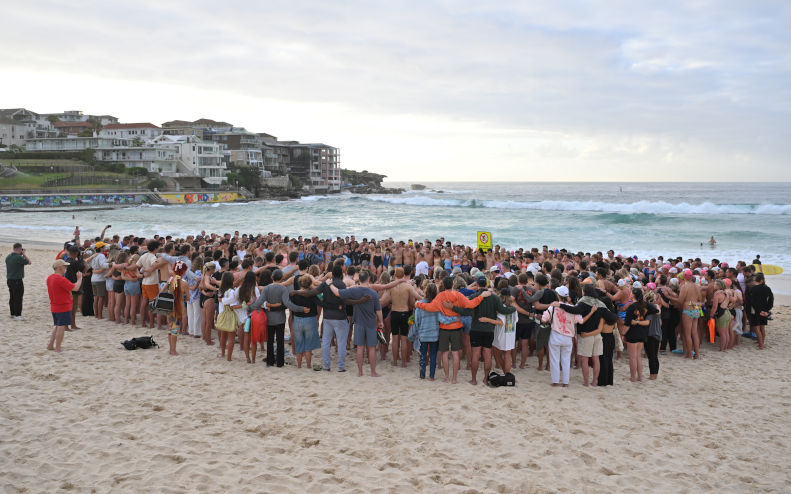
Grief, proximity and the failure of moral judgement
After Bondi, intense grief and fear shaped public response. But emotional proximity can distort moral judgement, narrowing debate and crowding out the analysis needed to prevent future violence.
17 December 2025
The market lie at the heart of public education policy
Treating public schools as competitors in an education marketplace shifts blame downward, obscures chronic underfunding and corrodes the very purpose of public education.
9 December 2025
The pecking order: how class blindness governs Australian schools
Australia prides itself on fairness and opportunity, yet an unspoken pecking order shapes who advances and who is blamed for falling behind. In schools and public institutions, structural inequality is dressed up as personal failure, with shame doing much of the work.

29 November 2025
Why false beliefs feel safer than the truth
People clinging to falsehoods is not a failure of intelligence, but a deeply human attempt to protect emotional stability in an overwhelming world.

24 November 2025
Innovation talk, austerity walk: Australia’s failing science policy
Despite constant rhetoric about innovation, Australia is steadily dismantling its scientific capacity. Public schools, universities and the CSIRO are all under pressure – the result of decades of market-driven policy-making that prioritises short-term cost-cutting over long-term national capability.
24 October 2025
Managing bullying or manufacturing shame? How neoliberal bureaucracy gets it wrong – again
When Education Minister Jason Clare announced the Anti-Bullying Rapid Review in early 2025, he spoke with the gravity such tragedies demand.

18 October 2025
Counting what doesn’t count: How consultants are hollowing out the university
When Western Sydney University announced it would shed hundreds of staff, its vice-chancellor described the decision as part of a “necessary transformation.

15 October 2025
From play to performance: Sport as the new Roman circus
Reading the recent article Is this the moment that will define cricket's future? by my former university lecturer and continued mentor, Chas Keys, reminded me how sport, once a shared expression of community, is again being redefined by money and media.
8 October 2025
How the ALP outsourced the soul of higher education
For most of its history, the Australian Labor Party spoke of education as a public good, the light on the hill, a vision of collective progress through strong institutions, universal access, and the elevation of ordinary citizens.
4 October 2025
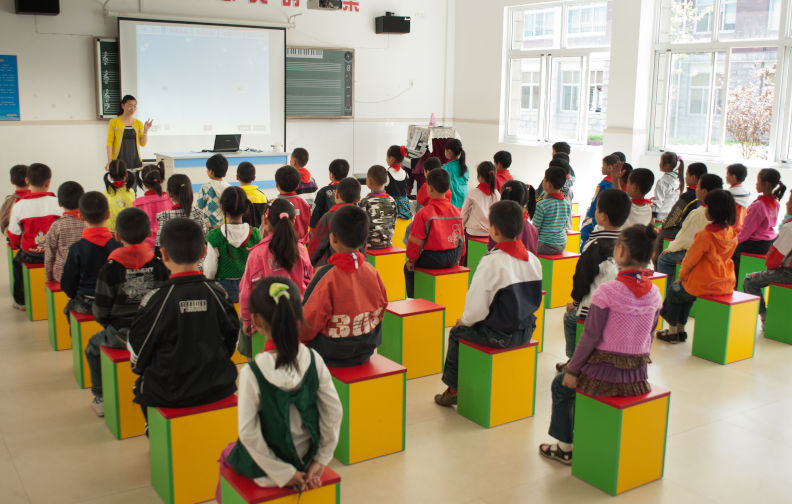
China’s youth: Between collectivism and the new individualism
On a recent trip through China, I was struck by the contrast between its classrooms and its city streets.
15 September 2025
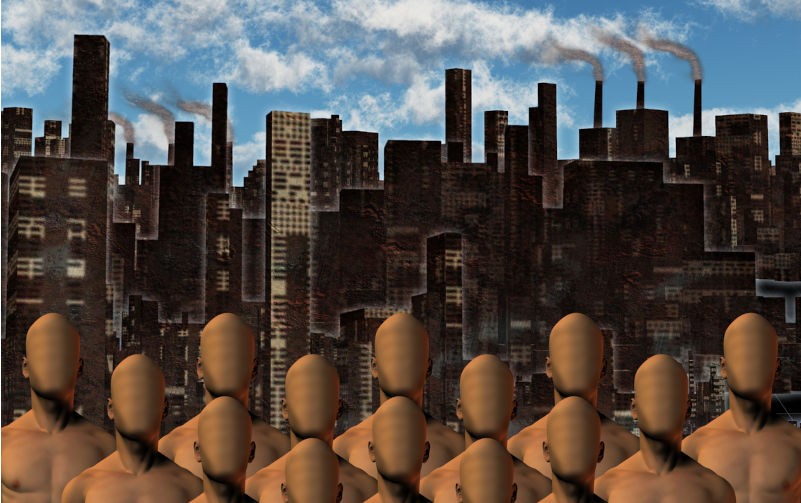
The social smog of neoliberalism: How competition breeds violence and division
The Industrial Revolution transformed the material basis of human life. By harnessing energy and perfecting machines, engineers satisfied physical needs on a mass scale.
29 August 2025
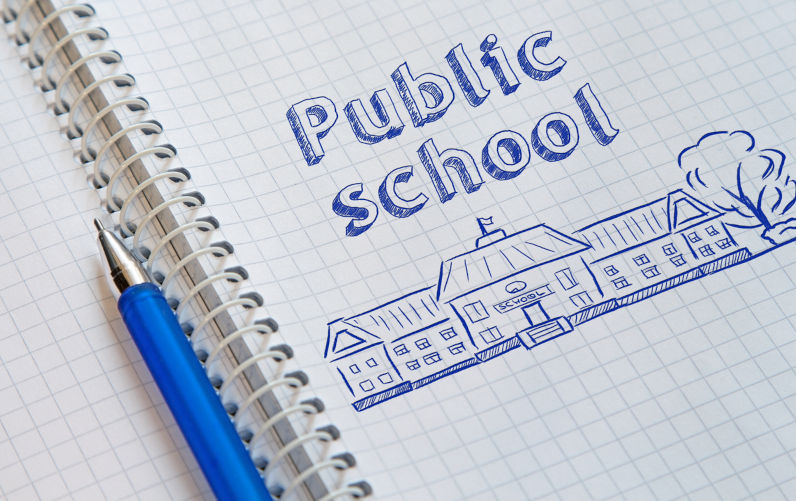
How the ALP built the market that is destroying public schools
Australia’s public school system is in crisis, underfunded, residualised, and struggling to retain teachers.
28 May 2025
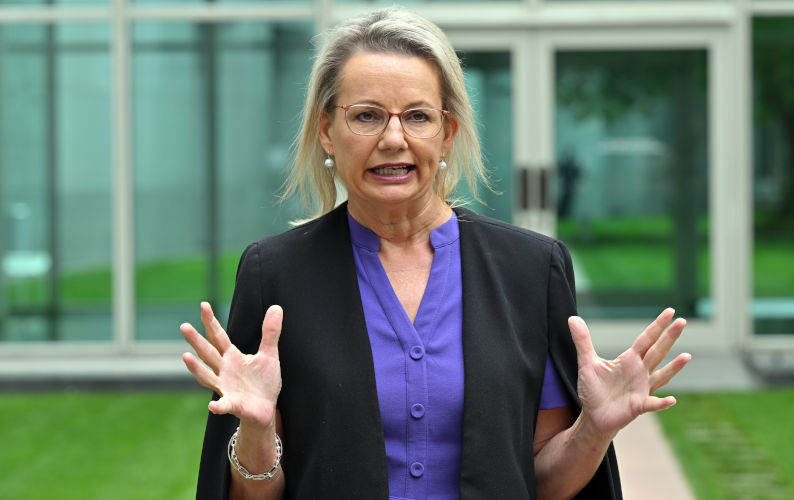
Ley’s impossible task – Leading a party at war with its future
The future of the centre-right in Australia may depend on whether Sussan Ley can weather the current storm.
5 May 2025
Truth, citizenship and the failure of Australian education
Australian schools excel at training students to meet external benchmarks, but fail miserably at cultivating critical minds.
8 March 2025
Beyond the test: Reclaiming education for purpose, compassion and community
The current approach to education in Australia, as reflected in the New South Wales Bilateral Agreement and national funding models, underscores an increasing reliance on neoliberal principles. These policies prioritise efficiency, accountability, and standardised performance metrics, shaping education into a market-driven enterprise where schools and students are treated as economic units rather than as participants in a holistic learning process. While the Student Resource Allocation model aims to address funding inequities, its gradual implementation over a decade highlights the continued prioritisation of economic pragmatism over immediate and meaningful educational reform.
15 February 2025
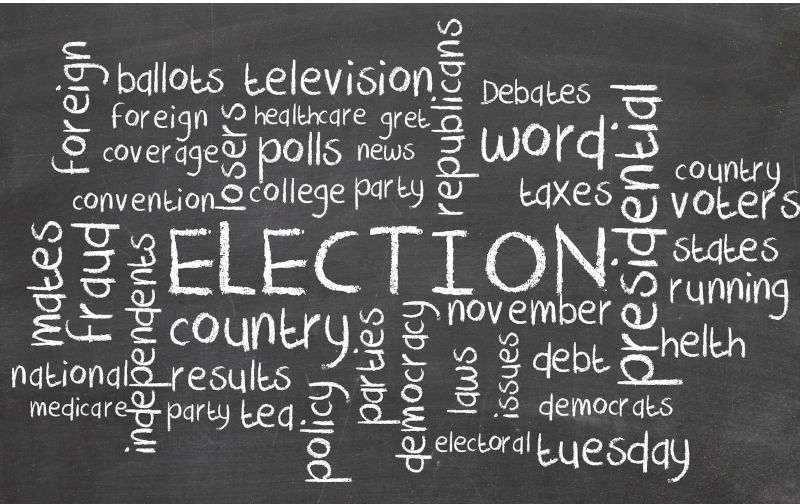
The politics of fear: How belief and emotion drive electoral outcomes
As the inevitable federal election approaches, the major parties are already revealing their strategies. The Australian Labor Party is opting for a cautious approach, banking on the expectation of securing a second term. Treasurer Jim Chalmers focuses on delivering intricate explanations of Australia's economic performance within a global context, while Prime Minister Anthony Albanese highlights his government’s efforts to improve wages and overall economic conditions. Their campaign seeks to present a narrative of stability and progress despite global challenges.
21 January 2025
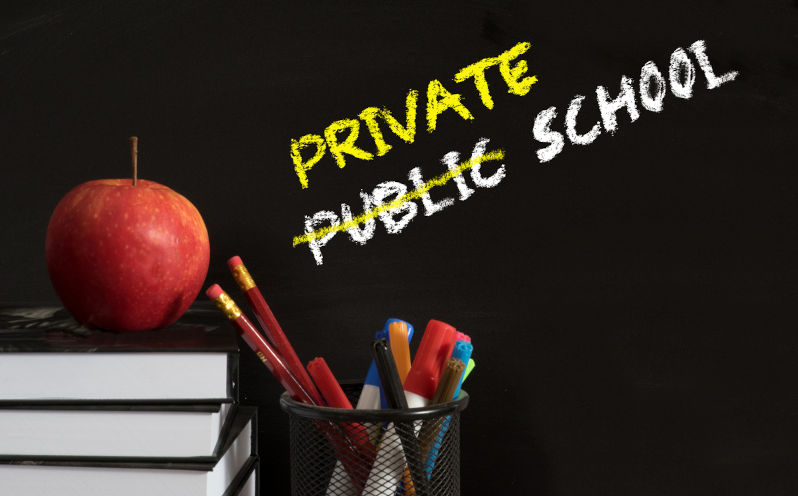
Public vs. private schools: The illusion of collaboration
Carolyn Blanden’s recent contribution to Pearls and Irritations,Public and private schools are partners in educating all Australian children. presents a counter-argument to my essay “The silent crisis killing public education”, January 9, 2025. She offers a vision of harmonious collaboration between public and private institutions. I suspect that the author misses the point of my argument: the presence of students with severe behavioural challenges is a significant, though not exclusive, reason parents are choosing private schools over public. I will address some of the evidence she presents to support her vision of ‘harmonious collaboration’.

9 January 2025
The silent crisis killing public education
The exodus from Australia’s public schools is not a quiet migration – it’s an outright stampede. This dramatic shift, particularly in secondary education, reveals a deep crisis that policymakers, academics, and unions acknowledge superficially but lack the courage to confront head-on. At the heart of this issue lies the unspoken truth: public schools are increasingly burdened with students facing complex challenges.

23 December 2024
Reframing wealth: A stark disconnect between wealth and poverty
Australia is often celebrated as a wealthy nation, with a prosperity that is purportedly shared across its population. However, such assertions crumble under scrutiny. According to the 2021 census, 122,494 Australians were denied the basic right of shelter due to their inability to afford housing. This stark reality reveals the vast and growing chasm between the affluent and the impoverished.

26 June 2024
A child in Gaza
A silent consequence of the horrifying hostilities taking place in Gaza is the long-term behavioural impairments for the children who, the United Nations estimate, make up 40% of the casualties.
16 February 2024
Teacher bashing: Grattan joins the chorus
The release of the latest PISA results provided another opportunity to bash schools and teachers. Amy Haywood and Jordana Hunter, from the Grattan Institute joined the chorus of denigrators.
23 January 2024
Public schools – a case for charity
Much has been written about the entrenched disadvantage in public Schools. Successive Governments have failed to provide the very basic resources for these students. Further evidence has revealed a concentration of students with disabilities that require additional support are now located in residualised comprehensive public schools. These impoverished conditions have been easily avoided for families who have the resources to enrol their students in private schools. However, another ‘private’ system has emerged that has moved in to exploit these ‘failing’ schools - charity!

29 December 2023
Australia continues to passively abuse disadvantaged students
The recent Senate Interim Report on ‘The issue of increasing disruption in Australian school classrooms’ has attracted the usual short-term media indignation followed by the ever-present indifference from our education leaders and politicians.
11 December 2023
Misogyny’s last stand
The recent plan of Newington College to become co-educational has initiated an uproarious reaction from their old-boys as well as influential Head Masters of such schools. This ridiculous reaction is simply a response to girls being admitted into the exclusive masculine territory that once was Newington.
6 October 2023
Our better angels: Should we include or segregate students?
I am an advocate for inclusion across the board. I find all forms of segregation offensive, students with disabilities should be part of their local school. By taking this stance I am comfortable I would be accepted as a member of the ‘better angels’. However, I wonder if my membership would survive when the ‘angels’ realise I find those other students segregated by attending private schools just as offensive? They are separated not because of their disability but by their parent’s ‘ability’ to afford the extra fees.
31 July 2023
Students with authentic dysfunctional behaviour
In recent Pearls and Irritations essays there has been a difference of opinion between myself and Ross Fox, the Director of Catholic Education, Canberra and Goulburn. I believe this difference of opinion rests with the definition of students with severe behaviours and my assertion that private schools do not enrol them.
11 July 2023
Teacher training report reflects a superficial understanding of education
A well-publicised report on teacher training from Ross Fox, the Director of Catholic Education of Canberra, runs the risk of inferring that a ‘science of learning’ that works for a private school system that has no students with severe behaviours, will work for schools that have a high proportion of these student.
28 June 2023
Public education’s ‘elephant in the classroom’
In the debate on the rehabilitation of public schools, there is an unpleasant issue that must not be mentioned. Not by the Unions, not the Government, not the Principals’ organisations and definitely not the private schools. ‘The elephant in the room’ is severe disruptive behaviour.
3 June 2023
$10 Million for consultants: a further step from reality
Last year the NSW Education Department paid almost $10 million to Deloitte Consultants for ‘expert’ advice, not to mention how much of tax-payers revenue went into the pockets of the disgraced PWC for similar nonsense. This reliance on outside know-how is a ‘logical’ step up from the failed policy of governments employing experts in leadership to head up their departments. What return did we get? After all this time, NSW school system is on life support evidenced by the abject failure of this experts’ approach.
24 April 2023
The education challenge facing Labor
On any measure since the mid 1980’s successive governments both Federal and State have progressively destroyed public education systems.
25 January 2023
Labor abandons public education
Nothing coming from Albanese and the Labor government offers any hope for public schools.
9 January 2023
The Watchers – Directors of educational decline
A word that comes to mind when thinking about the plight of those left in NSW Public Schools is dystopia, the antonym of utopia.
12 November 2022
"The fish has died": The demise of NSW public schools
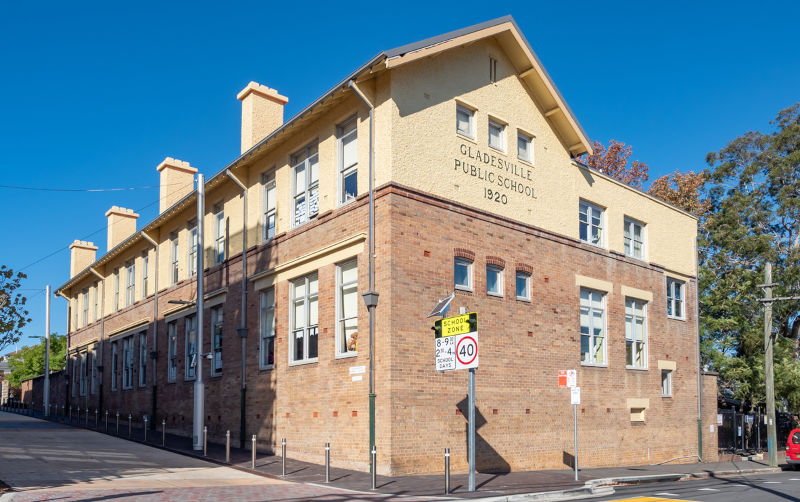
Conditions in Australian public schools are at crisis level. In searching for a cause, there is a Chinese proverb 'The fish rots from the head'. A clear-cut example is the Department of Education in NSW, where modern neo-liberal, rational management of a public service has failed under current leadership.

14 October 2022
Public Education – a test for the ALP
The ALP has to attend to the shameful state of public education. Attempts to shift the responsibility on to the Coalition may be appealing but the geneses of these conditions lies at the feet of Julia Gillard. There is no doubt Gillard cared about education; you could not doubt her commitment to improving the learning outcomes for all Australian students. However, her reforms have resulted in public schools being reduced to third-world conditions.
6 June 2022
Peter Dutton 2.0 – The re-imagining
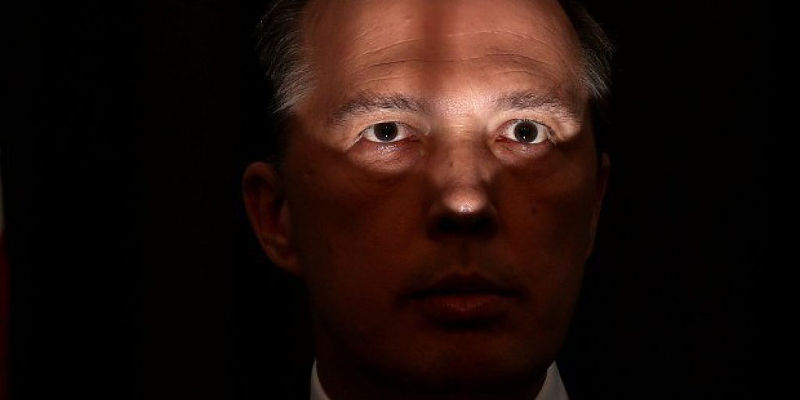
Peter Dutton and more importantly Murdoch understand that for Dutton to succeed he must radically change his public persona to reveal the real Peter; one who lives in a ‘wonderful family environment’ where his ‘self-deprecating sense of humour’ is witness to his true character. And there has been plenty of support for this make-over with Sky News and their ‘after-dark’ crowd of sycophants giving him every opportunity to sell this new image. Sure, he has a tough side but he has a ‘softer side’ that people would see if he became PM.
1 February 2022
Back to class: public school Covid protocols 'full of holes'
Teachers and students returning to school in NSW won't find themselves in Covid-safe conditions, John Frew writes.
27 November 2021
When the truth is inconvenient: how lying allows politicians to propser
The truth is becoming increasingly unimportant in our politics and Parliament — and this bodes ill for civilised society and the survival of democracy.
29 July 2021
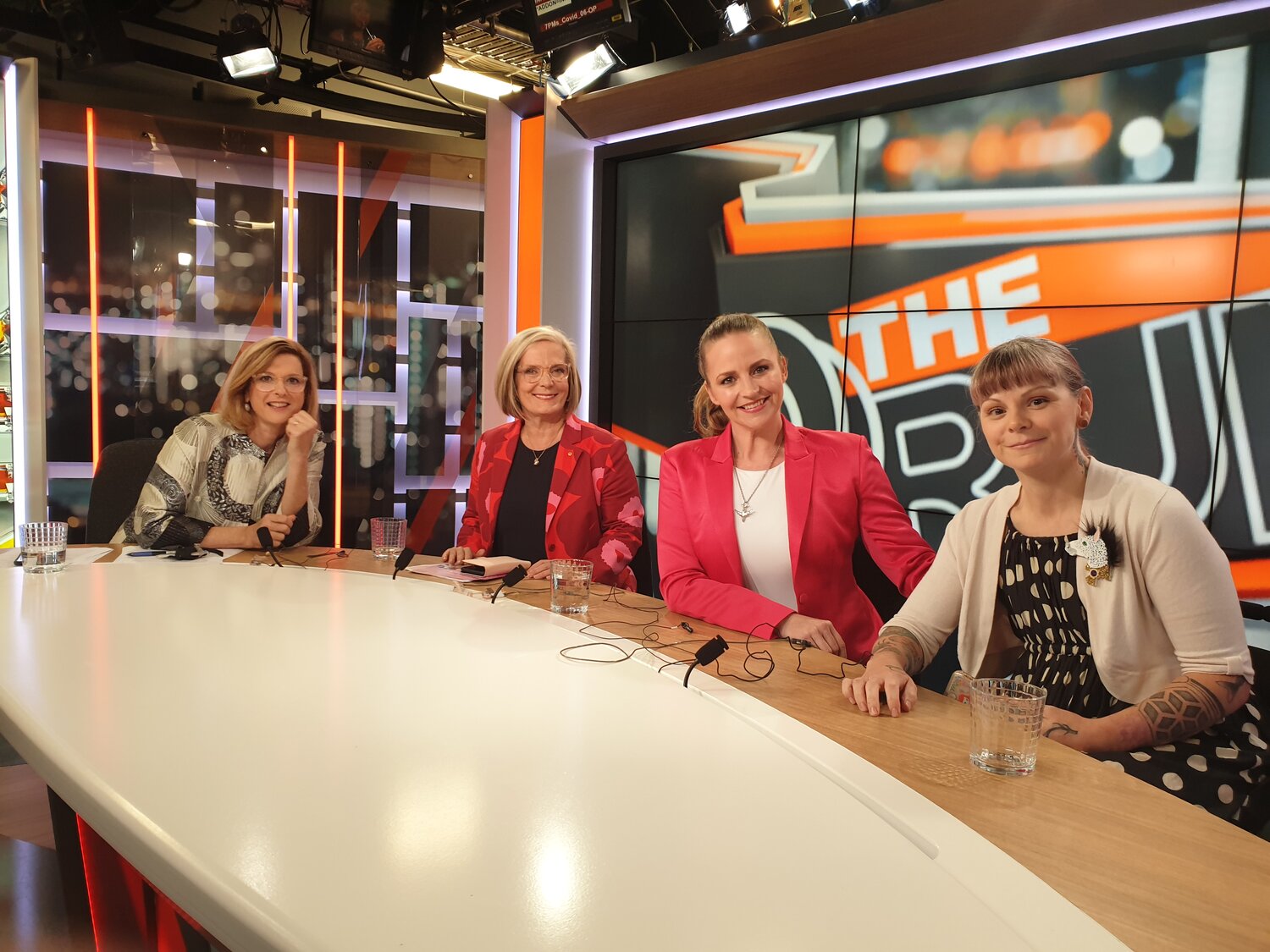
The ABC continues to deny right-wing bias by The Drum.
It is was with some sadness that I penned an article indicating what I saw as a right-winged bias by The Drum in its selection of some panellists. Since that article, I have continued to exchange correspondence with the ABC and I believe that the thread of responses mirrors the same tactics the Government uses to conceal obvious bias on their part. The ABC’s tactics has been at first ignore, then deny and if that fails spin the story.
16 July 2021
The Drum shows continued right-wing bias in its panelist selections
Like many Australians who take an active interest in our country’s politics I have been an avid follower of the ABC’s week-day current affairs program The Drum. I find the other news outlets have a right-wing preference in their reporting and so I have relied on the ABC for a balanced interpretation of each day’s political events.